Can a Voice Direct an AI Actor? Testing MiniMax H3 with Drama 3
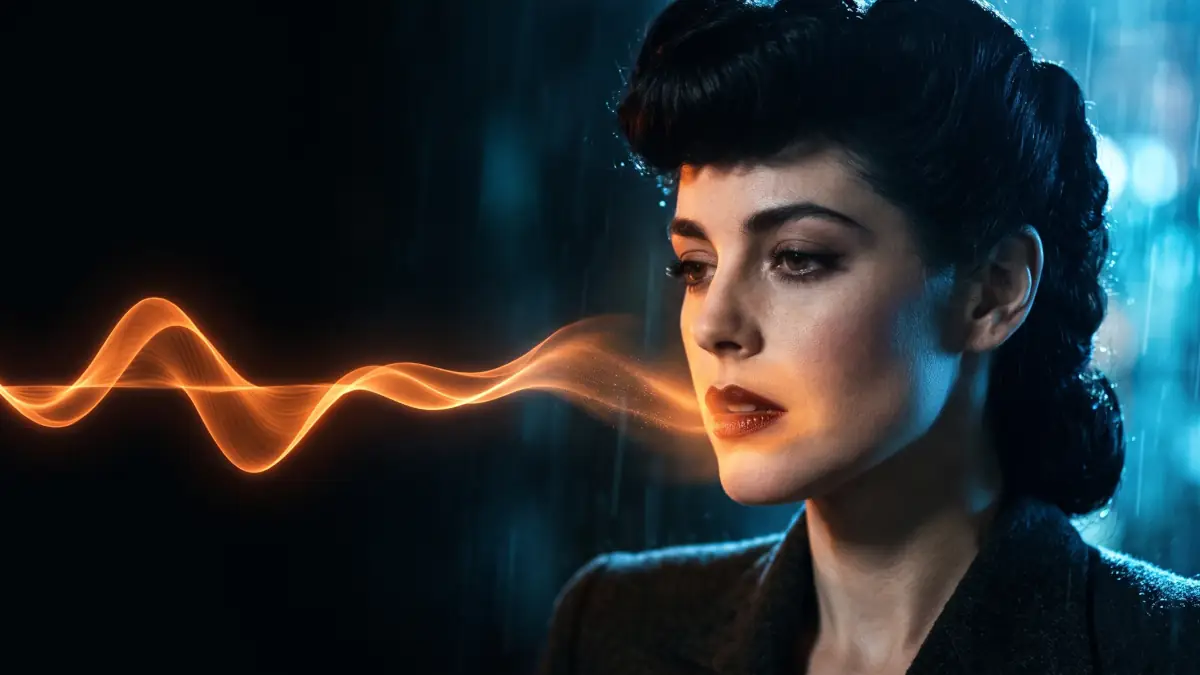
Same face. Same words. Three completely different performances.
In one take, she is cold and clinical. In another, she is furious. In the third, she is barely holding herself together. The image is the same, the line is the same, and the video prompt is the same. The only thing I changed was the voice.
Neither the actress nor her voice exists. Both were generated, locally, in ComfyUI.
▶ Watch the full test on YouTube: MiniMax H3 + Drama 3: Can a Voice Direct an AI Actor?
The question: can AI act?
AI video has become very good at faces. Skin, light and lip sync are often convincing. Acting is another story. A performance is not just a face that moves: it is an intention, a rhythm, a silence held a little too long.
So I set myself a challenge inspired by a classic of science-fiction cinema. An investigator questions a woman who may or may not be artificial. She has one line to answer him:
“You asked me if I feel anything. Everything I feel, I learned from you.”
Inside the scene, she has to prove she feels something. Outside the scene, my pipeline has to prove it can act.
This is a sketch, not a film: one character, one line, and a lot of iterations. But it says a lot about where AI acting stands today.
The setup: one model for the voice, one for the image
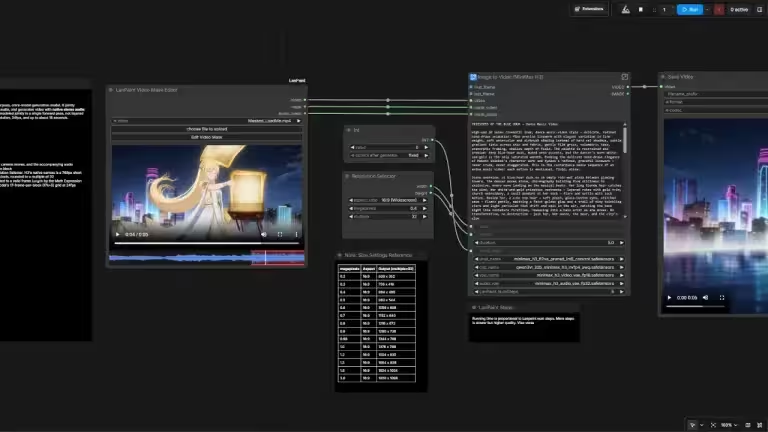
The pipeline uses two models, both running in ComfyUI on an RTX 5090:
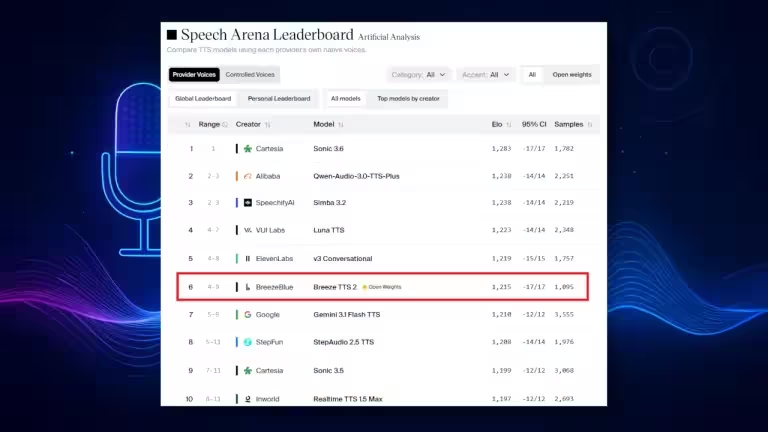
- Fish Audio Drama 3, an open-weight text-to-speech model, performs the voice. It accepts written directions, a bit like notes to a voice actor.
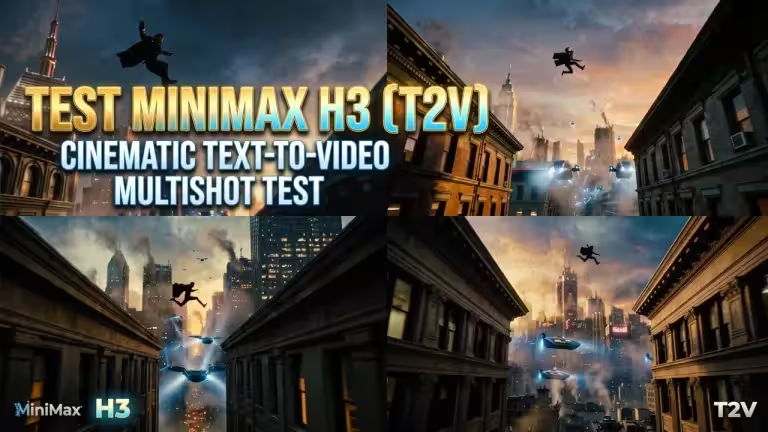
- MiniMax H3 generates the video from a still image of the character and an audio track, and syncs her lips to the voice.
The idea is simple: if the voice carries the emotion, does the face follow?
Directing the intention, not the emotion
The first lesson came before any video was generated. When I asked Drama 3 for an emotion, the result was often timid. What worked better was describing what the character wants from the person in front of her.
Not just “angry”, but something closer to:
furious, wanting to hurt him, blaming him for everything she has become.
Not just “sad”, but:
deeply hurt, desperately wanting him to believe that what she feels is real.
That shift, from emotion to intention, is what a director would tell a human actor. It works surprisingly well on a TTS model too.
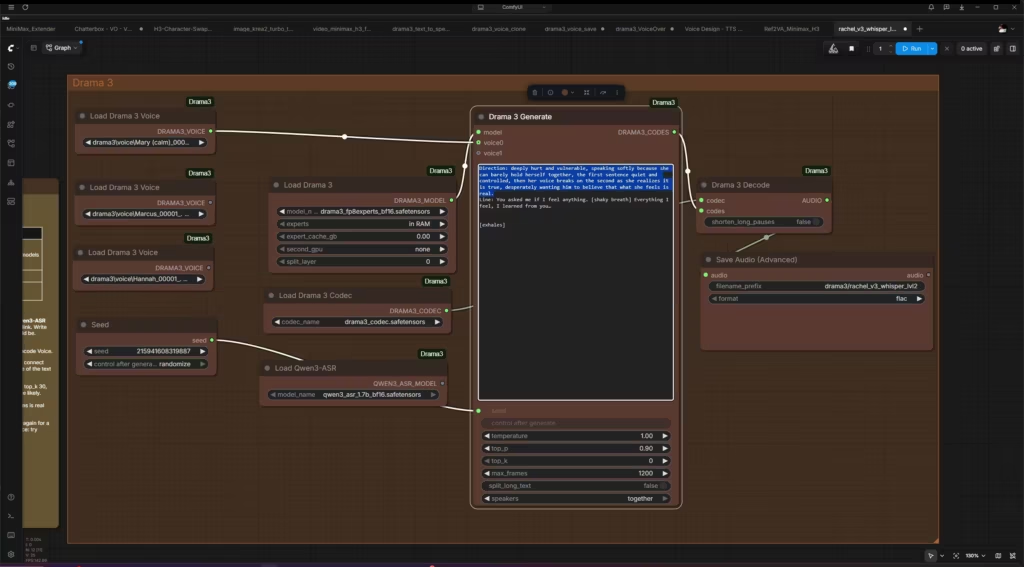
The protocol
I then fed each of the three voices (cold, angry, vulnerable) into MiniMax H3, with:
- the same source image, in vertical 9:16;
- the same video prompt, with no emotion described in it;
- several seeds per voice, to see what stays constant and what changes.
To keep the test honest, I also generated witness takes: the same image and seeds, but with the emotion described in the text prompt and MiniMax H3’s native voice instead of Drama 3.
And then I added a third layer: physical directions for the face, on top of the voice.
A first result, and a surprise
The first result is clear. The voice leads. With no emotion in the prompt, the cold voice gives a cold face, and the angry voice gives an angry one. Across seeds, the emotional register holds.
But the seed matters more than I expected. From one generation to the next, the silences change, the glances change, the blinks change. The emotion stays, and the take is different every time.
So I ran a blind test: two angry versions of the same character, one directed by text, one directed by a voice, with the sound off first.
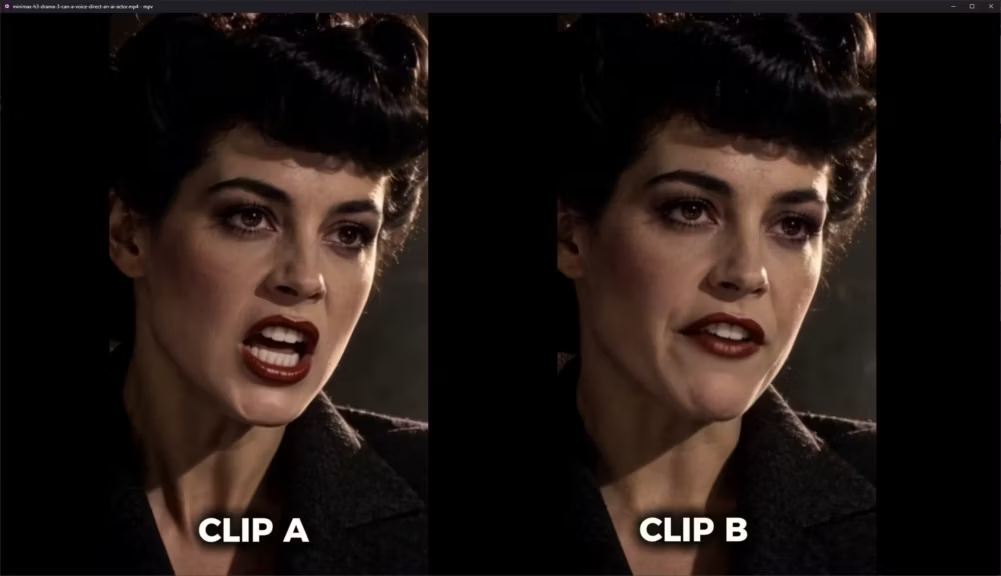
Can you tell which one is which? I’ll let you judge in the video.
What the video reveals
The rest of the results are in the video, including:
- the answer to the blind test, and why one of the two takes goes too far;
- what happened when I tried to control the face too precisely, and why one take turned the character back into a machine;
- my working recipe for directing an AI actor with a voice, a prompt and a seed;
- the full scene, played from start to finish.
▶ Watch the full test on YouTube: MiniMax H3 + Drama 3: Can a Voice Direct an AI Actor?, and tell me in the comments whether she convinced you.
This article was written with the help of AI, based on my own work: my tests in ComfyUI, my notes and my observations on the results.
Your comments enrich our articles, so don’t hesitate to share your thoughts! Sharing on social media helps us a lot. Thank you for your support!